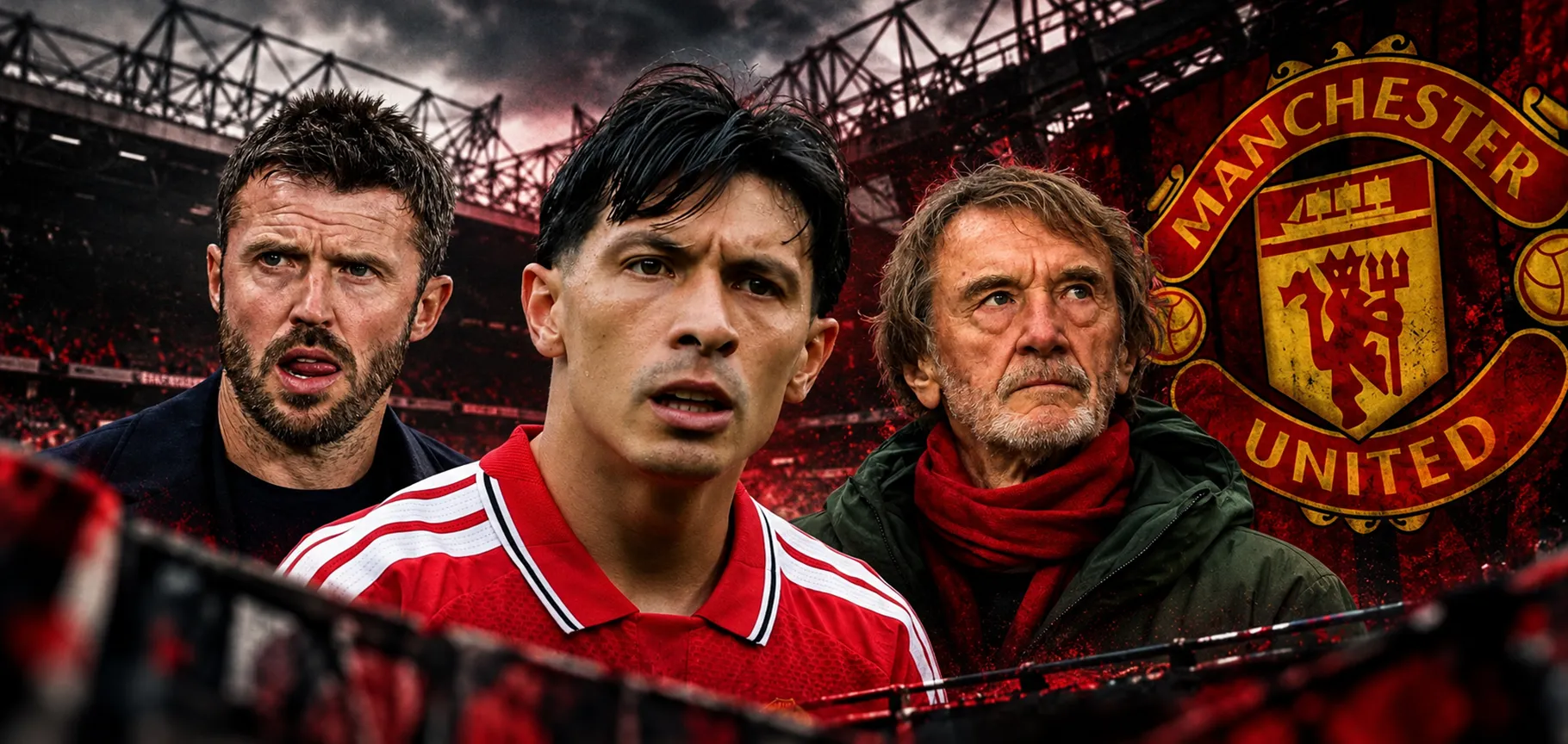
Manchester United’s transfer window: Midfield addressed, but defensive underbelly remains soft
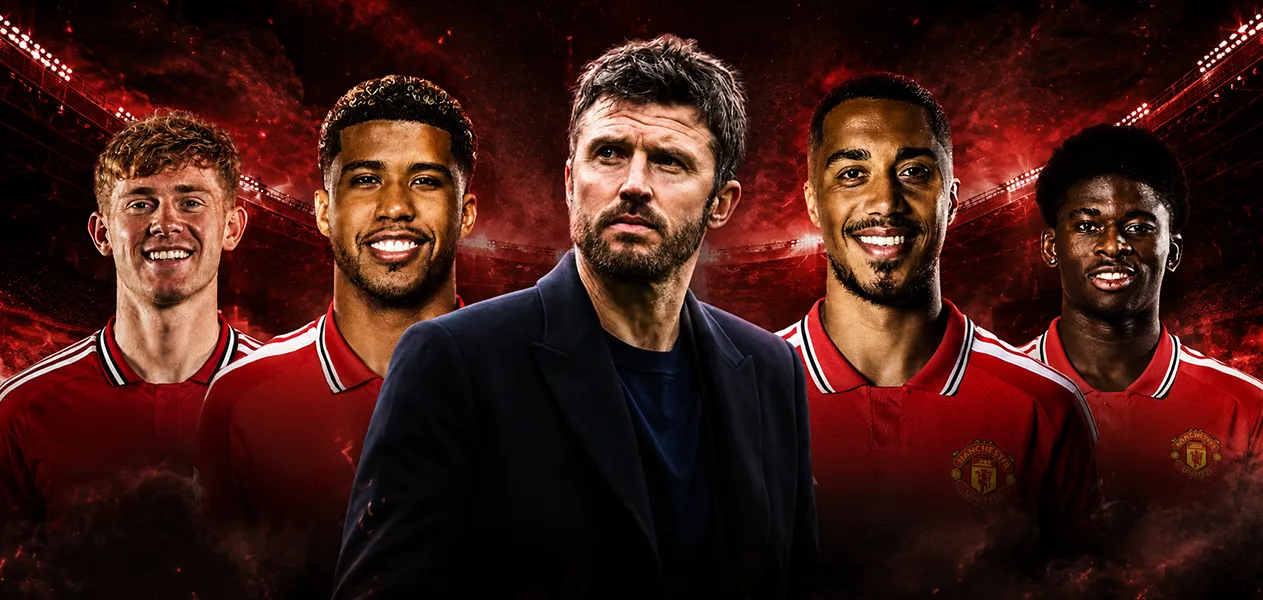
In the off-season, Athletic transfer correspondent David Ornstein had predicted that Manchester United will be one of the busiest clubs in the transfer window given the huge magnitude of the rebuilding job they had to do. Midfield was the biggest area of attention followed by the need for a left-back, and a striker.
Well, with the transfer deadline passing away, The Red Devils did address the midfield, but remained conspicuously quiet in the other areas of requirement. Safe to say that they were indeed not the busiest clubs in the transfer market as Ornstein suggested.
The window started off rather poorly for Michael Carrick’s side, with their number one target Matheus Fernandes deciding to join Tottenham Hotspur. United believed that they were the frontrunners for his signature for the longest time, but were reluctant to match West Ham’s asking price of 85 million pounds given that the Hammers were relegated. Spurs did not have any problems and paid the money upfront after agreeing personal terms with the Portuguese.
If that was not enough, spurs also went ahead and managed to snare Newcastle midfield ace Sandro Tonali as well, who was another one of United’s midfield targets for 100 million. That prompted a pretty vocal inquest from all involved at the club with regards to the slow nature of the business by the club.
This was all after United’s principal target in Elliott Anderson decided to join their rivals Manchester City and giving them an early setback to begin with.
The midfield rebuild eventually gathered pace as Andrey Santos and Youri Tielemans were signed quickly in succession and with minimal noise. Santos provides good game-reading and intelligent space protection, while Tielemans can give you a bit of everything in terms of breaking play, linking defense and attack, while also scoring goals and assists as an attacking midfielder.
Multifaceted midfield players is what the club were looking for and that is what they got with these two. Carlos Baleba finally joined the club after a prolonged pursuit that began last year, giving them much needed athletic ability with elite ball progression to go along with it.
However, for all the good, there is also the bad. It was an open secret that Man United need a left-back, with Luke Shaw’s reliability for another full season, especially in a one that will see the club play 3 games a week, under question. Lewis Hall was the dream target, but with United digging heels all through the summer, Newcastle United did not countenance a sale given that they managed to sell multiple key players for healthy sums.
Jorge Salinas from Racing Santander and Alejandro Balde from Barcelona were also among the targets pursued, but the club’s slow nature of dealing with the two meant that neither deals could come to fruition. It also meant that the club had to keep hold of 19-year-old Harry Amass, who was set to join Burnley on a permanent deal , as backup to Shaw.
The club’s failure to sign a backup striker also did not come to fruition, with Jean-Phillippe Mateta and Ollie Watkins the players looked at.
So there are good things about the window in terms of the midfield rebuild, but the failure to strengthen the defense, the porous nature of the left-back and centre-back position, the fact that the club failed to strengthen these positions makes a rather average window.
Whether these signings, or lack of, make or break United’s season, we will have to wait and see.