The luxury grid: Why LVMH and other top brands are doubling down on F1 sponsorship
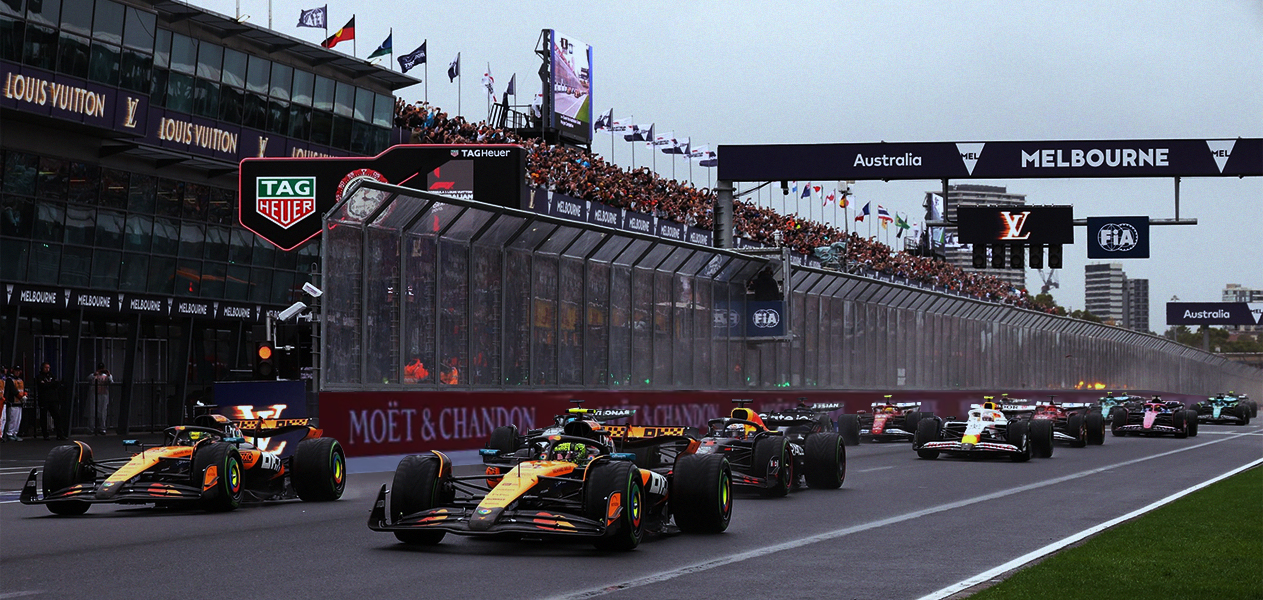
The roar of a Formula 1 engine is no longer just the sound of speed; it’s the sound of global luxury brands flooding the paddocks.
For decades, the pinnacle of motorsport has held a magnetic, if niche, appeal. The times have changed now, however, with the world’s leading luxury conglomerate LVMH having made a resounding statement last year by signing an unprecedented ten-year global partnership agreement with Formula 1.
This historic deal, which is potentially valued in the billions, provided a massive seal of approval and sent a clear signal: the Formula 1 circuit has now transformed into the ultimate, non-negotiable playground for high-end brands.
But why the massive escalation now? Why are the arbiters of quiet luxury — companies known for bespoke craftsmanship, elegance, and timeless heritage — doubling down on the high-octane, noisy world of Formula One?
Appealing to a new audience
The answer lies in the dramatic transformation of F1’s global audience, its strategic alignment with luxury values, and the creation of an unparalleled experiential ecosystem.
Brands like Louis Vuitton and TAG Heuer recognise that Formula One is a fast track to growth. The motorsport’s global fan base has surged 63% since 2018, reaching 827 million. Once rooted in Europe, F1 has gone mainstream in the US with races in Miami, Austin, and Las Vegas, while it also continues to accelerate in China, where fans now top 221 million, up 39% year over year.
However, the single biggest factor driving luxury interest is the radical demographic shift in the Formula 1 fan base, largely fuelled by the success of the Netflix docu-series “Drive to Survive” and this year’s “F1” movie starring Hollywood giant Brad Pitt.
According to the 2025 Global F1 Fan Survey, 70% of Gen Z respondents see F1 as representing a status or image that appeals to them.
Life in the fast lane
A key game-changer is how fans interact with F1 both on and off the track. The line between sport and entertainment is blurring with every passing year, and the F1 experience is now not just about who crosses the chequered flag first, but also about celebrity culture, blockbuster music performances, and social media hype.
Music celebrities like Dua Lipa in Monaco, Lisa of Blackpink in Miami, and Garth Brooks performing at the US Grand Prix are as much a part of the sporting event now as the drivers. For younger fans, this integrated ecosystem drives engagement. In the US, 70% of Gen Z respondents engage with F1 content daily, especially through streaming and social platforms.
F1 was once dominated by an older, male audience. However, in recent years, the emotional pull of the sport has reached new heights among fans. The Netflix series “Formula 1: Drive to Survive” and the film “F1” have transformed the fan base: 43% are now under 35 (compared to 30% in 2018), while women make up 42% of the fan base (compared to 37% in 2018).
For prestige brands, the F1 ecosystem extends into brand discovery and expression. According to the 2025 Global F1 Fan Survey, 58% of Gen Z fans consider fashion and style important to their F1 fandom.
Female beauty brands are also making an entry onto the grid. With the pull of beauty influencers in decline across the US, China, and Europe, F1 can be an effective channel to connect with existing and future customers. Beauty brands are also embracing F1 Academy, the all-female racing series, while Netflix’s “F1: The Academy” has raised its profile alongside the growing popularity of women’s sport.
Charlotte Tilbury was the first beauty brand to sponsor the series, reinforcing its empowerment message through its “Hot Lips” icon and “Makeup Your Destiny” slogan on the Charlotte Tilbury-operated Rodin Motorsport car. More recently, Red Bull Racing partnered with Anastasia Beverly Hills for its Academy programme.
It’s a timely move. Women now account for three in four new F1 fans, with those aged 16–24 considered the fastest-growing segment. The 2025 Global F1 Fan Survey reported that 42% of female fans follow F1 Academy exclusively.
Sharing the same DNA
Beyond the numbers, the philosophies of high-end luxury and high-performance racing share an undeniable synergy. This is the narrative alignment that LVMH expertly leverages.
A Louis Vuitton handbag, a Moët & Chandon vintage champagne collection, and a Formula 1 car are all products built on a relentless pursuit of excellence. F1 teams operate at the very limit of engineering, where their obsession with detail mirrors the meticulous craftsmanship found in a luxury atelier.
When a brand like TAG Heuer becomes the Official Timekeeper of F1 (a component of the LVMH agreement), its legacy of precision is validated, as is its future in high-tech watchmaking. The track becomes a laboratory for brand credibility.
The LVMH deal is not a monolithic sponsorship; it’s a multi-brand deployment designed to capture value at every level of the F1 ecosystem. This demonstrates a sophisticated strategy that goes far beyond simply slapping a logo on a car.
As part of the deal, Louis Vuitton has been creating bespoke, unique trophy trunks for major Grand Prix events globally. This elevates the celebratory moment, turning the winner’s presentation into a visual display of luxury heritage.
Moët & Chandon, falling under the Moët Hennessy umbrella, secures its place as the champagne of choice for the podium. This is an essential experiential element. The tradition of spraying champagne is an iconic, globally recognised celebration.
That said, luxury brands thrive on exclusivity and hospitality. F1’s Paddock Club and associated VIP areas are among the world’s most sought-after corporate hospitality zones, offering gourmet dining, networking, and unparalleled track views.
For LVMH and other luxury players, these spaces are not merely viewing galleries; they are high-value engagement zones where they can host their top clientele, conduct private sales, and curate an immersive experience that only the luxury sector can deliver.
Luxury brands have traditionally relied on glossy magazines and highly controlled advertising campaigns. However, with the fragmentation of media and the rise of digital consumers who are ad-averse, these channels are losing impact.
With 24 races across five continents, F1 offers a consistent, high-visibility platform that reaches every key luxury market — from the US and Europe to the Middle East and Asia.
By investing in the F1 ecosystem, which focuses on technology, speed, and modern celebrity, brands have signalled that they are forward-thinking, dynamic, and relevant, shedding any perception of being dusty or old-fashioned.
Conclusion
The partnership between LVMH and Formula 1 is not a frivolous expenditure; it is a meticulously calculated, multi-layered strategic manoeuvre, an investment in a global platform that perfectly bridges heritage and hyper-modernity, high-net-worth individuals and aspirational Gen Z consumers, and the physical spectacle with digital storytelling.
By placing their brands on the grid, LVMH and its peers are not only securing their position in the race for the next generation of luxury consumers, but also confirming that the Formula One circuit is the new luxury grid of global marketing.